



The British regulator and a Dutch gambling association have criticised Meta for failing to act on the growth of advertising by unlicensed gambling operators on its platforms.
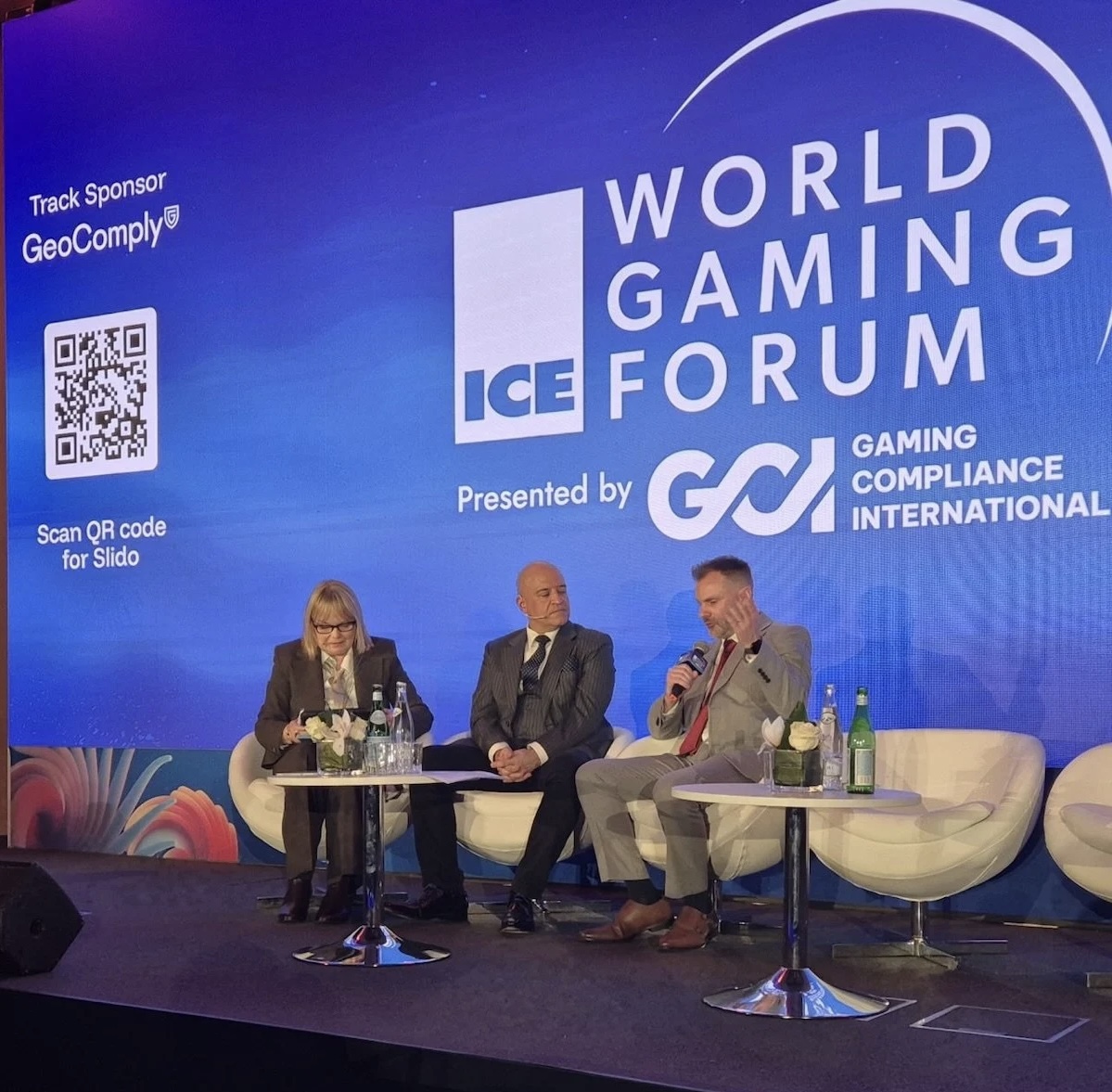
On 19 January 2026, at the ICE Barcelona conference, the UK Gambling Commission stated that Meta is effectively turning a blind eye to advertising for unlicensed online casinos on its platforms, while continuing to profit from placing such ads.
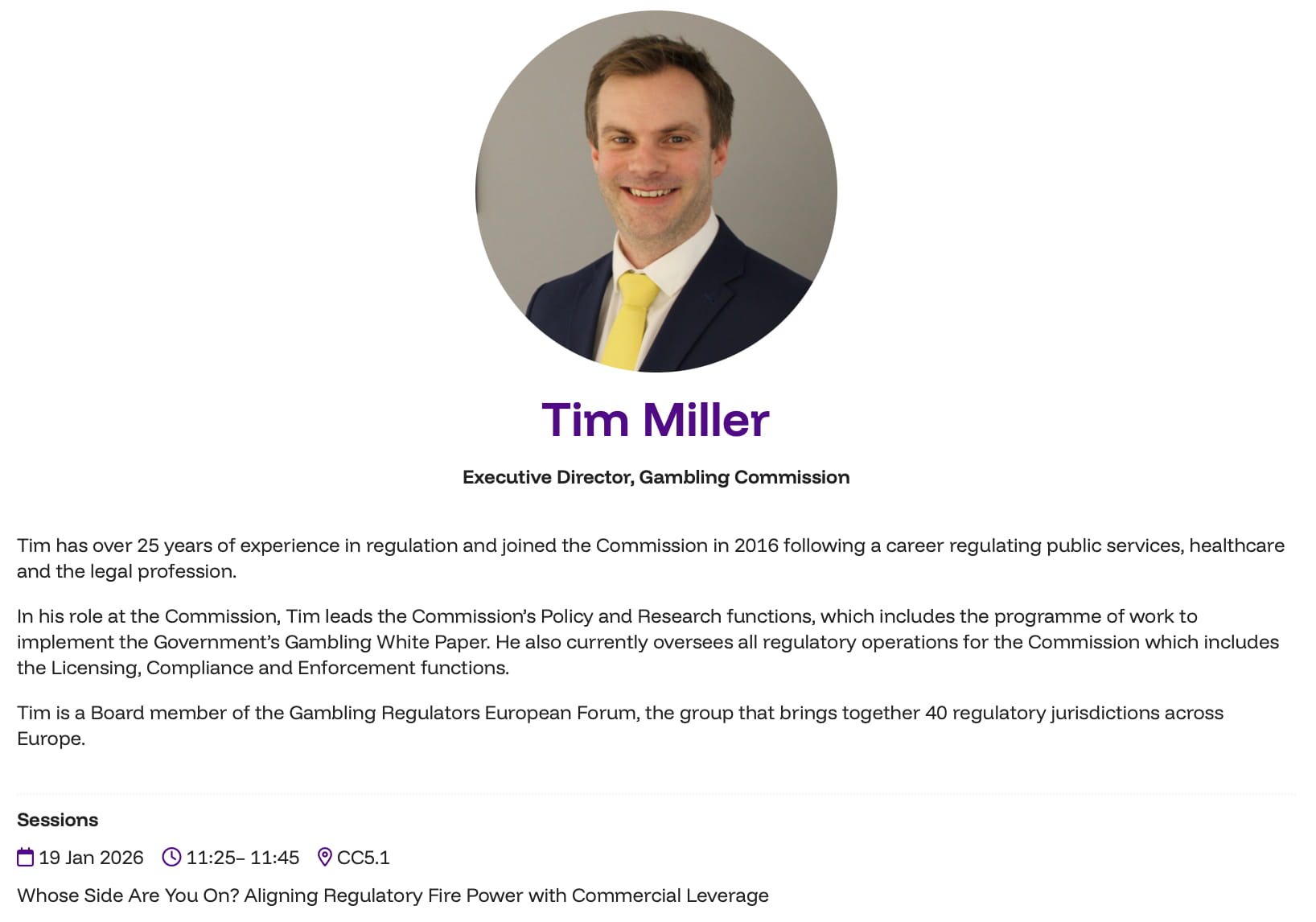
The regulator’s executive director, Tim Miller, stressed that Meta’s claims that the company was unaware of such advertisements before receiving notifications are “simply not true”, and noted that data from Meta’s public ads library allows advertisers placing such ads to be identified.
“If we can find these ads, so can Meta. They just choose not to look.”
“This may give the impression that they are quite content to turn a blind eye and continue taking money from criminals and fraudsters until someone raises the alarm,” he said during his speech at the ICE Barcelona conference, the text of which was published on the Gambling Commission’s website.
In response to a request for comment, Meta said it applies strict rules to gambling advertising, and that all ads violating these requirements are promptly removed once identified.
“We work closely with the Commission to identify and remove all flagged ads that violate our policies, and we use this information to further improve our existing proactive detection tools. We encourage the Commission to continue working with us so that users and legitimate advertisers are protected from such unscrupulous market participants,” the company said.
Later, the Dutch gambling association VNLOK joined the criticism of Meta’s measures to combat unlicensed gambling advertising by publishing its own statement.
According to VNLOK, most gambling-related advertising seen by Facebook users in the Netherlands originates from unlicensed operators. The organisation claims that between October and December, more than 95% of all iGaming content on the platform led to illegal sites. In November alone, such ads generated around 50 million impressions.
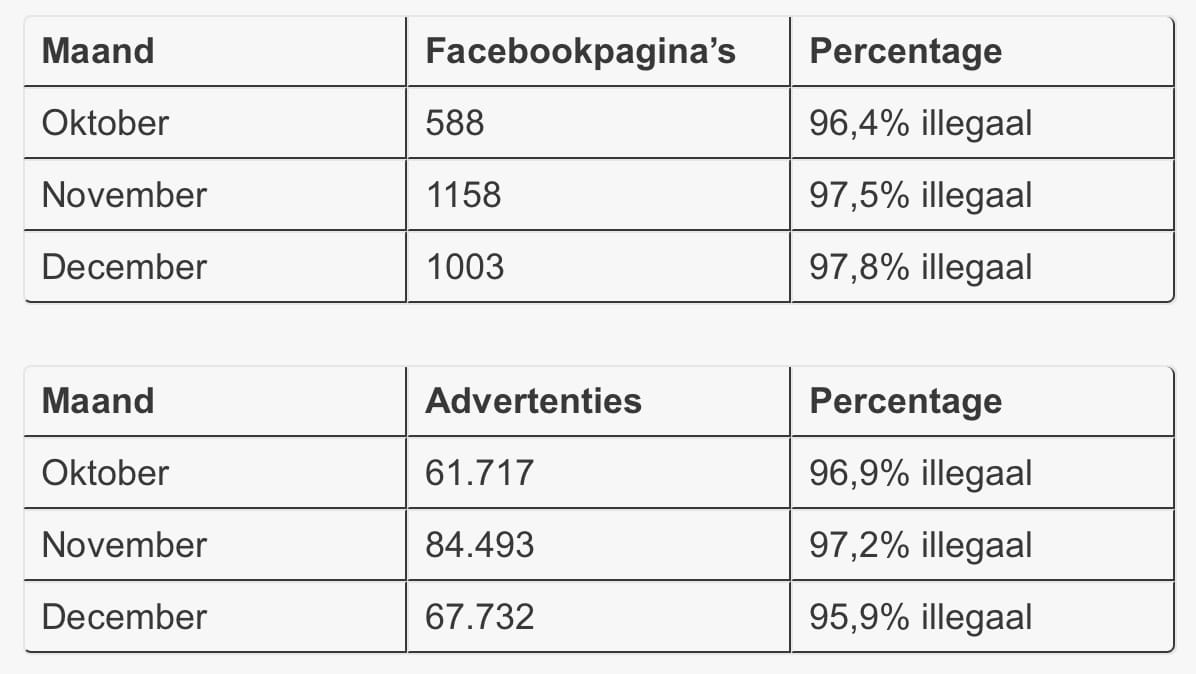
The association also criticised the pace at which Meta removes such advertising: in October, only 3% of these ads were removed, in November 5.2%, and in December 4.7%.
“These figures are shocking. The enormous flow of advertising for unlicensed gambling on Meta platforms undermines player protection and, at the same time, erodes trust in the legal market. Unfortunately, this problem is growing larger and larger,” said VNLOK Chairman Björn Fuchs.
He also noted that the format of such content is expanding beyond traditional advertising and moving into social media posts, where gambling brand logos appear even when an image or video is not formally presented as an advertisement.
“The promotion of unlicensed gambling websites on social media goes beyond advertising and spreads into regular content. Meta’s and other companies’ platforms are flooded with viral videos featuring illegal casino brands. Such content deliberately attracts minors and older audiences to illegal gambling offers, where the risk of gambling harm is extremely high,” Fuchs emphasised.
VNLOK urged Meta to improve its systems for detecting such advertising and also called on the Dutch gambling regulator KSA to strengthen oversight of platforms such as Facebook, as well as of marketing agencies that facilitate the placement of such ads.
- Tim Miller’s speech at the ICE Barcelona 2026 conference: Gambling Commission website
- Press release from the Dutch association: Official website