



Over the past year, there has been considerable discussion surrounding ABCard. The situation involving frozen funds at payment provider Guava raised questions among clients, partners, and members of the affiliate marketing community. Some concerned refunds directly, while others focused on the service’s future operations, financial stability, and internal changes within the company.
We understand why these topics continue to interest the market. That is why we decided to compile answers in one article to the questions we received most often from users and encountered in industry media. Here is what happened, what results we have achieved, and where things stand today.
What happened with Guava, and why did it affect ABCard?
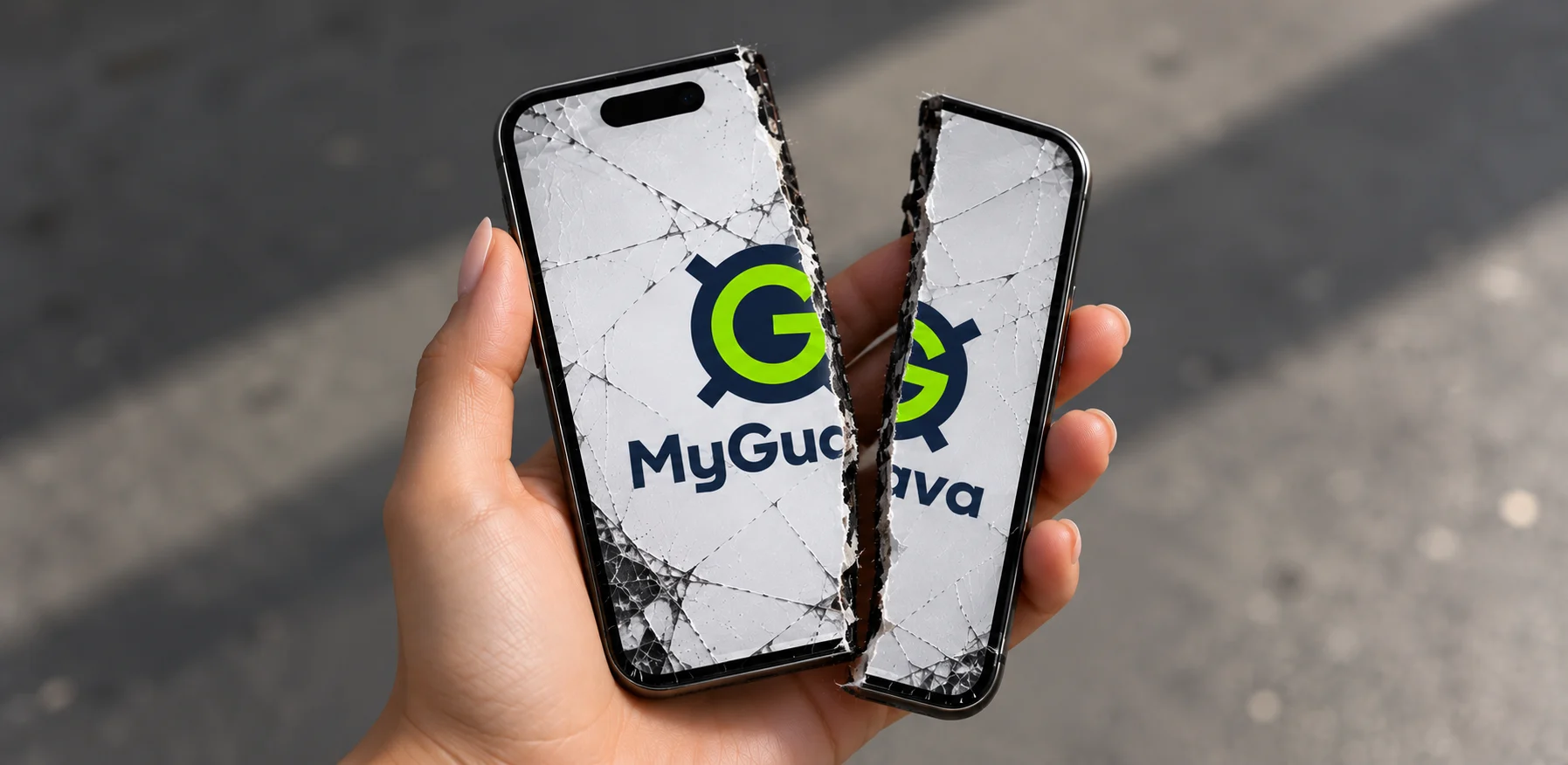
About a year ago, the UK’s financial regulator, the FCA, imposed restrictions on payment provider Guava due to compliance violations. As a result, funds held with the provider were frozen. The restrictions affected not only Guava itself but also companies that used its financial infrastructure, including ABCard.
The provider’s accounts held both ABCard’s own funds and client funds. Therefore, the consequences of the freeze directly affected some of our users.
Guava later entered bankruptcy proceedings. For us, this meant that the issue of recovering the frozen funds moved into the legal sphere, and the timeframe for resolving it became uncertain.
Why didn’t ABCard return all frozen funds immediately?
The main difficulty was that a substantial amount became unavailable to both clients and the company at the same time. We could not settle all obligations in one payment using available funds without affecting the service’s continued operations.
Under these circumstances, there were two possible scenarios: suspend operations until the situation with the provider was resolved, or keep the business running and gradually compensate client losses from our own revenue.
We chose the second option.
To do this, we needed to maintain transaction volumes, ensure the payment infrastructure remained operational, and continue serving users. It was the active business that allowed us to build the financial foundation for regular refunds.
We understand that clients worked with ABCard, not directly with Guava. Therefore, responsibility for fulfilling our obligations to them remains on our side.
Did the service continue operating after the freeze?
Yes. Despite the restrictions that arose, ABCard did not suspend operations.
At the time of the issues with Guava, we worked with two payment providers. The second partner continued serving users, which allowed us to maintain the availability of payment tools.
In addition, during the first week, we connected new USD BINs from another issuer.
We continued working on the infrastructure afterward. A month and a half after the issue emerged, we were able to restore our previous transaction volumes. Keeping the platform operational was important not only for active users but also for fulfilling our financial obligations to affected clients.
What funds does ABCard use to pay compensation?
Refunds are funded from ABCard’s operating profit. We do not use the balances of new clients for compensation, and we do not link the current program to funds received from Guava.
Initially, we expected to resolve the issue directly with the provider. However, as the situation developed, it became clear that waiting for the outcome of the proceedings could take an indefinite amount of time.
That is why we established an independent debt repayment mechanism that operates separately from the legal process.
How much has already been returned to clients?
At this point, the program’s results are as follows:
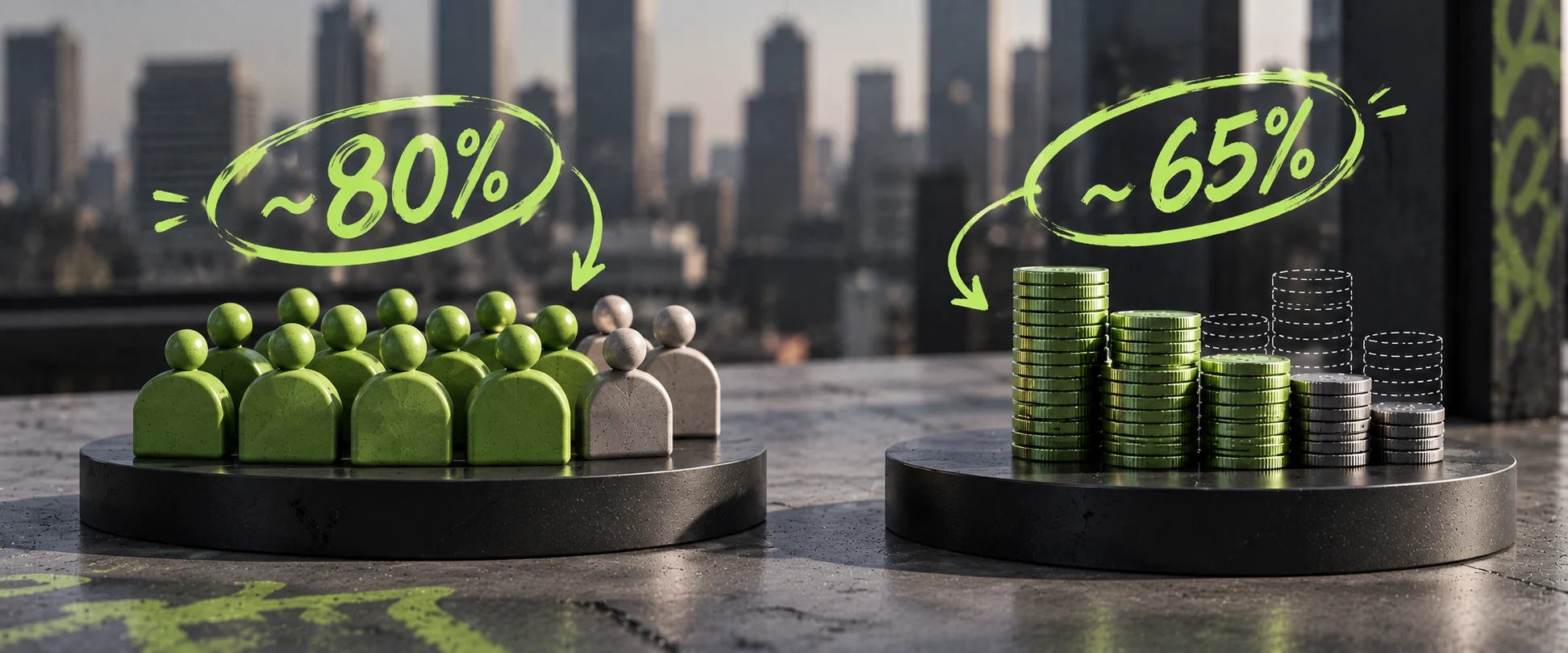
- 80% of affected clients have received full compensation.
- 65% of the total amount owed to clients has already been repaid.
This is the result of consistent payments we have made throughout the past period. The program is not yet complete. We still have obligations to some users, and we continue working to settle them.
Why have 80% of clients received their money while only 65% of the total amount has been returned?
These figures reflect different metrics.
The first shows the share of clients whose obligations have been settled in full. The second shows what portion of the total debt has been repaid.
The sizes of users’ frozen balances varied. Therefore, the number of clients who receive a full refund may grow faster than the share of the total amount repaid.
For example, settling debts to several users with small balances increases the number of fully compensated accounts, but has less impact on the total payment volume than returning one large amount.
Why did primarily active clients receive payments earlier?
At the initial stage, our financial capabilities were limited, and the continued compensation program depended directly on maintaining the service’s transaction volumes. Therefore, the first refunds were aimed at clients who continued working with ABCard. Funds corresponding to the company’s margin from their transactions were used to settle their debts.
In addition, during the first nine months, priority was given to users with the largest frozen balances. Refunds were made both in full and partially. This approach allowed us to support the company’s operations while gradually reducing the debt.
After stabilizing our financial position, we were able to change the program’s terms and extend it to all affected users.
How is the payment order determined now?
An updated compensation procedure has been in effect since August.
Each month, we allocate a fixed budget for debt repayment. Payment recipients are selected randomly from clients to whom obligations remain outstanding. Neither the size of the frozen balance nor a user’s current activity in ABCard is now a determining criterion for participation in the general program.
Why did we switch to this model? At the first stage, the main focus was on the largest debts. Now, the amounts of remaining obligations for most users have become comparable, so there is no longer a need to maintain the previous priority order.
The new mechanism allows us to provide compensation across the entire base of affected clients.
Do you need to keep using ABCard to get your money?
No.
Since August, participation in the compensation program does not depend on whether you use the service. If you have stopped working with ABCard, do not make transactions, and do not plan to top up your balance, this does not exclude you from the refund program.
All users to whom outstanding debt remains continue participating regardless of their current activity.
You do not need to resume using the service solely to receive compensation.
Can you receive compensation faster?
For clients who continue using ABCard, an additional option remains available for partial debt repayment using the margin the company receives from their transaction volumes. This mechanism was used at the first stage of the program and can be applied in addition to the general compensation procedure.
At the same time, all affected clients can participate in the monthly random selection program regardless of whether they use the service.
How can you check whether your account is participating in the program?
If ABCard still has an outstanding debt to you, your account remains in the compensation program.
To clarify information about a specific account, simply contact our support team. The team will check the details and confirm your current status.
When will all payments be completed?
At this time, we are not naming a specific date for the final settlement of the debt.
The reason is simple: the amount the company can allocate to compensation must align with its actual financial capabilities.
We do not want to set timeframes that may later prove impossible to meet.
At the same time, monthly funding for the program continues. Our goal is to consistently reduce the remaining debt until we have fully fulfilled our obligations to all affected users.
What is happening with Guava now? Is there a chance of recovering the funds?
At this time, Guava has not returned ABCard’s frozen funds.
The provider is in bankruptcy proceedings, and our company is participating in litigation in London as one of the creditors. It is not yet known when the process will conclude or whether we will be able to recover the funds in full. But what matters most for ABCard clients is this: the current compensation program does not depend on the outcome of these proceedings.
If funds are received from Guava, this will allow us to accelerate debt repayment. If not, we will continue payments using our own resources.
Why didn’t ABCard respond to every public accusation?
We know that the situation with Guava was actively discussed in the professional community. This included serious claims against the company and doubts about the possibility of recovering the funds.
We stayed in touch with users, reported changes through our own communication channels, and discussed refunds directly. Rather than engaging in public conflicts, we decided to focus our resources on keeping the platform running and fulfilling our obligations.
Today, we can speak about concrete results from this work. A significant portion of the debt has already been repaid, and the compensation program remains active.
Why is the service now called ABCard instead of AnyBill?
The change in the public name is not related to the situation around Guava.
Since the service launched, we have used both names. ABCard appeared in the user dashboard, client communications, and the official website address, abcard.io. At the same time, the name AnyBill was actively used in industry media and became familiar to part of the audience. Over time, using two names in parallel began creating confusion. Therefore, at the end of 2025, we established ABCard as the single name.
This was a planned decision to unify the brand. The company, team, and obligations to users remain unchanged.

Does the Guava situation affect new ABCard clients?
No. The debt resulting from the freeze of funds at Guava relates to a separate period in the service’s operations.
New users are served through ABCard’s active payment infrastructure and use the platform as usual.
We would also like to emphasize that compensation for affected clients is funded from the company’s operating profit, not from funds in other users’ balances.
What has changed at ABCard over the past year?
The situation with Guava demonstrated how important it is for a payment service to reduce dependence on individual financial partners. That is why, over the past period, we reviewed a number of internal processes and strengthened the infrastructure.
In particular, we connected three additional payment providers, expanded the range of available BINs, improved liquidity controls, and enhanced mechanisms for preventing fraudulent transactions.
The team also carried out a partial platform refactor and continued developing product functionality. It is impossible to completely eliminate external risks in the payment industry. However, diversifying the partner network and implementing additional control measures allow us to reduce dependence on individual counterparties and improve the service’s resilience.
What comes next?
We understand that for clients whose funds remain frozen, the main question is still about getting them back. That is why debt repayment remains one of our top priorities.
Over the past year, we have been able to keep ABCard operational, restore transaction volumes, expand the payment infrastructure, and compensate most affected users. However, we do not consider this task complete while outstanding obligations remain.
We thank the clients and partners who continue working with us, as well as all members of the professional community following the situation’s development.
ABCard continues to operate, develop its product, and fulfill its financial obligations to clients. The compensation program will remain in effect until the debt is fully repaid.
If you still have questions about refunds or want to clarify your account status, contact our support team.






Comments